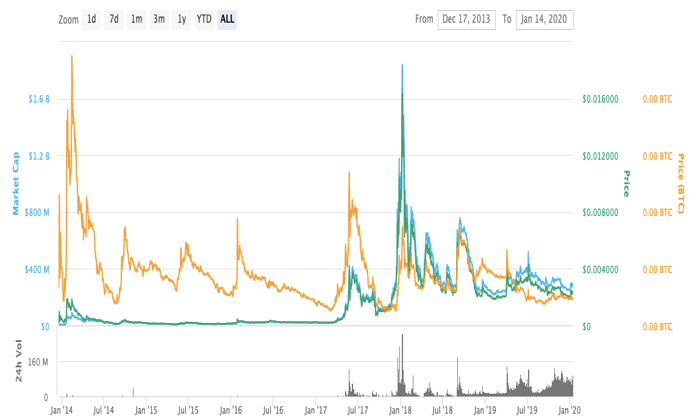
Bitcoin ETF outflows have recently taken a significant toll on the cryptocurrency market, prompting a flurry of concerns among investors. Following the Federal Reserve’s latest rate decision, the leading cryptocurrency experienced over $490 million in withdrawals from U.S. spot Bitcoin exchange-traded funds, marking three consecutive days of loss. This abrupt shift has caught many by surprise, especially considering the robust inflows that Bitcoin ETFs had enjoyed just prior. With the latest trading price hovering around $75,900, traders are closely analyzing Bitcoin price analysis reports to identify potential support levels amidst ongoing market turbulence. As the crypto market trends shift, the lingering effects of the Federal Reserve’s stance continue to stir uncertainty among Bitcoin trading strategies.
Recent developments in the Bitcoin investment landscape have sent shockwaves through the cryptocurrency space, as a notable wave of withdrawals from Bitcoin exchange-traded funds has emerged. Investors are facing heightened uncertainty in light of the Federal Reserve’s unwavering rate strategy, which has discouraged risk appetite and precipitated substantial outflows. Amidst this backdrop, alternative terms such as Bitcoin investment vehicles have become increasingly relevant, as they reflect the dynamic shifts in the market’s climate. Speculators are now diving into crypto market trends and analyzing Bitcoin support levels to gauge the potential for recovery. Such volatility raises important questions about how participants in the market will adjust their trading tactics in response to these developments.
The Impact of Bitcoin ETF Outflows on Market Stability
Recent outflows from U.S. spot Bitcoin exchange-traded funds (ETFs) have significantly affected market stability. As Bitcoin was trading near $75,900, the consecutive withdrawals totaling over $490 million have raised concerns among traders and investors alike. The drastic shift from nine days of inflows, where Bitcoin ETFs accumulated more than $2 billion, to three days of substantial outflows is indicative of shifting market sentiment. Consequently, this has contributed to a sense of instability and uncertainty in the crypto market, emphasizing the direct correlation between ETF outflows and Bitcoin’s price movements.
As ETF withdrawals continue, analysts are closely monitoring Bitcoin’s price dynamics, specifically at the $75,000 support level. This new scenario challenges previously established Bitcoin trading strategies that relied on favorable inflow trends. Such conditions remind traders of the inherent volatility within the crypto sphere, where substantial capital movements can swiftly alter the price landscape. With Bitcoin currently facing bearish pressure, evaluating the relationship between ETF performance and overall crypto market trends is crucial for making informed trading decisions.
Federal Reserve’s Influence on Bitcoin Prices
The Federal Reserve’s recent decision to maintain interest rates between 3.50% and 3.75% has introduced additional challenges for Bitcoin and the broader crypto market. Fed Chair Jerome Powell signaled a stringent outlook on inflation, which has traditionally pressured riskier assets, such as Bitcoin, prompting a quick decline in prices post-announcement. The crypto market’s reaction underscores how macroeconomic factors, especially decisions by the Federal Reserve, can greatly impact Bitcoin price fluctuations — a vital consideration for investors monitoring potential support levels.
Market participants should be aware that the interplay between Federal Reserve policy and Bitcoin pricing creates a complex trading environment. Increased interest rates typically dampen risk appetite, causing traders to recoil from assets perceived as high risk, like cryptocurrencies. Consequently, Bitcoin’s price strategies must incorporate Federal Reserve impact analysis, enhancing understanding of potential price trajectories during policy shifts. Given the current market sentiment, the correlation between interest rates and Bitcoin performance has once again come into sharp focus, signaling the need for adaptive trading strategies.
Understanding Bitcoin Trading Strategies Amid Market Fluctuations
Navigating the complexities of Bitcoin trading strategies becomes increasingly critical during volatile periods initiated by ETF outflows and macroeconomic announcements. Traders are now tasked with reassessing their approaches as market dynamics shift under the weight of Federal Reserve decisions and geopolitical tensions. Traditional strategies, which may have relied heavily on bullish momentum from inflows, must adapt to the realities of bearish market responses and sustained withdrawal trends. To remain competitive, traders must utilize a mix of technical analysis and market sentiment evaluation.
Central to effective Bitcoin trading strategies is recognizing support levels and identifying potential recovery targets. Despite recent dips resulting from the Fed’s announcement and subsequent ETF outflows, some traders eagerly anticipate a rebound towards the $85,000 region. By closely monitoring Bitcoin price patterns and adjusting positions accordingly, market participants can better navigate the uncertainty characterized by recent events. Educating oneself on various trading strategies and tools is essential, as the current market landscape may require shifts towards more defensive approaches amid looming economic uncertainties.
The Role of Geopolitical Tensions in Bitcoin Price Movement
Geopolitical tensions, such as those between the U.S. and Iran, can exert significant influence on Bitcoin prices and market sentiment. As reports of potential conflict escalate, investors often retreat from high-risk assets, seeking safer havens for their capital. This type of behavior has been evident in the recent challenging climate, where Bitcoin has faced increasing selling pressure amidst growing fears. Understanding the implications of global unrest is vital for both new and experienced traders in the arena.
The crypto market, typically responsive to rapid changes in sentiment, finds itself in a precarious position when geopolitical strains arise. The recent downturn in Bitcoin’s value serves as a reminder that external factors can rapidly alter trading landscapes, compounding volatility. Investors must remain vigilant and incorporate an understanding of geopolitical developments into their overall Bitcoin trading strategies, ensuring awareness and responsiveness in a highly fluid environment.
Future Prospects for Bitcoin Amidst Regulatory Uncertainty
The future of Bitcoin is shrouded in uncertainty due to ongoing regulatory discussions and the potential impact of future Federal Reserve policies. As Bitcoin fights to regain upward momentum after recent losses, the role of regulatory clarity will be pivotal in shaping market perceptions and movements. Investors are keenly awaiting advancements in regulatory frameworks that may bolster confidence in Bitcoin as a legitimate asset class, impacting overall trading volumes and prices.
In the short term, traders must remain pragmatic regarding Bitcoin’s outlook. Factors such as ETF inflows, macroeconomic indicators, and regulatory advancements will be critical in determining trading strategies. As the market evolves, savvy traders will capitalize on shifts in sentiment, understanding that future gains will heavily depend on resolving uncertainties, both in regulation and broader economic conditions. Keeping abreast of developments is crucial for creating strategies that leverage potential bullish scenarios.
Market Sentiment Shift: Fear and Greed Index Insights
The Crypto Fear and Greed Index has become a crucial tool for gauging investor sentiment within the cryptocurrency space. With the recent index plunging into the ‘Fear’ zone, it has highlighted the growing caution among market participants in light of sustained Bitcoin ETF outflows and macroeconomic pressures. Understanding these sentiment shifts may provide trading advantages as savvy investors seek to capitalize on fear-induced market conditions.
Analyzing the Fear and Greed Index alongside Bitcoin price movements allows traders to gain insights into potential market reversals or continuations. Historically, extreme fear often precedes significant price recovery, making it vital to stay informed about market sentiment and sentiment-driven trading opportunities. As fear grips the crypto market, discerning how these emotions translate into trading decisions is paramount for anyone looking to navigate the evolving landscape effectively.
Monitoring Bitcoin Support Levels During Market Turbulence
In turbulent market conditions, monitoring Bitcoin’s support levels is essential for traders looking to identify potential points for entry or exit. The recent price dips prompted by ETF outflows have drawn attention to critical support levels, particularly around the $75,000 mark. As traders observe price reactions at these levels, they can ascertain whether Bitcoin can establish a solid base to stage a comeback or if deeper declines are imminent.
Establishing effective trading strategies around these support levels not only aids in risk management but also enhances the opportunity for profit. Traders who connect price movements to established support levels can make informed decisions based on real-time market evaluations. This methodical approach to volatility can ultimately yield better outcomes even amidst uncertainty, as Bitcoin navigates its path forward.
The Broader Crypto Market Trends Post-Fed Announcement
The broader crypto market trends in the aftermath of the Federal Reserve’s recent announcement reveal a tenuous landscape for Bitcoin and its altcoin counterparts. With Bitcoin trading at around $75,900, the general sector is straining under the pressure of rising interest rates and macroeconomic headwinds. This scenario prompts analysts to assess correlations between Bitcoin’s performance and the larger crypto market, noting that outflows from ETFs have intensified the downward spiral across various digital assets.
Investors are faced with the challenge of navigating a market that appears increasingly interconnected, where Bitcoin’s struggles can influence altcoins and vice versa. Understanding these broader market dynamics may offer traders insights into potential trading strategies that embrace both Bitcoin and altcoin possibilities. The interplay between Bitcoin and the entire crypto market becomes increasingly important for developing strategies that account for potential rebounds or further declines.
Expectations for Bitcoin Recovery Amidst Ongoing Challenges
Despite recent setbacks, many analysts remain hopeful about Bitcoin’s potential recovery as it navigates through current challenges. Historical resilience seen in Bitcoin’s price patterns indicates that market corrections, even following significant ETF outflows, could set the stage for future rallies. Those with a keen long-term perspective are continuously analyzing market conditions to identify when Bitcoin might regain its upward momentum.
For any comeback to materialize, it will be crucial for Bitcoin to stabilize above key support levels, fostering confidence among investors. Establishing traction again at around $75,000 would be an encouraging sign for traders invested in Bitcoin’s future trajectory. A meticulous evaluation of market conditions, combined with a commitment to informed trading strategies, will be vital as Bitcoin aims to reclaim market position amid fluctuating economic landscapes.
Frequently Asked Questions
What factors are driving Bitcoin ETF outflows recently?
Recent Bitcoin ETF outflows have been driven by the Federal Reserve’s decision to maintain interest rates, which created negative sentiment in the crypto market. After a period of significant inflows into Bitcoin ETFs, the announcement triggered withdrawals exceeding $490 million, as investors reacted to the Fed’s firm stance on inflation and broader macroeconomic uncertainty.
How have Bitcoin ETF outflows affected Bitcoin price analysis?
The significant outflows from Bitcoin ETFs have negatively impacted Bitcoin price analysis, contributing to a decline from approximately $80,000 to around $75,900. The sale of large amounts of Bitcoin through ETFs has influenced market dynamics, creating bearish pressure and straying sentiment among investors as they assess support levels in the current volatile environment.
What is the historical context of Bitcoin ETF outflows regarding crypto market trends?
Historically, Bitcoin ETF outflows often signify shifts in investor confidence and market trends. The recent withdrawals follow a brief period of inflows that saw over $2 billion enter the market. Such outflows can highlight investor hesitance due to external factors, including interest rate policies set by the Federal Reserve, ultimately affecting broader crypto market trends.
How do Bitcoin ETF outflows correlate with the Federal Reserve’s impact on Bitcoin?
Bitcoin ETF outflows have a direct correlation with the Federal Reserve’s decisions. The recent rate decision, which maintained the benchmark rate and indicated no future cuts, influenced investor sentiment negatively, leading to swift outflows from Bitcoin ETFs. As risk assets struggle under these conditions, Bitcoin frequently experiences price drops and market corrections.
What trading strategies are effective in light of Bitcoin ETF outflows?
In the context of ongoing Bitcoin ETF outflows, traders might consider strategies such as dollar-cost averaging and focusing on strong support levels around $75,000. Given the recent market volatility, cautious approaches like setting stop-loss orders or diversifying investments may help mitigate risk. Meanwhile, keeping an eye on macroeconomic indicators and Fed announcements can inform future trading decisions.
What are the current Bitcoin support levels amid rising ETF outflows?
With the recent outflows, Bitcoin’s support levels are once again under scrutiny, specifically around the $75,000 mark. Traders will closely watch this level, as any further declines could signal deeper corrections. Monitoring price action and adjusting strategies based on ETF outflows and Fed policy will be crucial in identifying the next potential support zones.
How are investors reacting to the continuing Bitcoin ETF outflows?
Investors are currently reacting cautiously to the continuing Bitcoin ETF outflows, with many adopting a wait-and-see approach as market sentiment shifts to fear. The Crypto Fear and Greed Index has fallen, reflecting increased anxiety among traders as they consider potential impacts on Bitcoin’s future price direction amidst macroeconomic instability.
| Key Point | Details |
|---|---|
| Current Bitcoin Price | Bitcoin is trading at $75,900. |
| ETF Withdrawals Total | Over $490 million in outflows from U.S. spot Bitcoin ETFs. |
| Impact of the Federal Reserve | Fed’s decision on rates negatively impacted risk assets like Bitcoin. |
| Largest ETF Outflows | Fidelity’s FBTC lost $191 million; BlackRock’s IBIT lost nearly $167 million. |
| Market Sentiment | Investor fear returned, as indicated by the Crypto Fear and Greed Index. |
| Future Outlook | Questions remain on recovery, with levels around $75,000 being tested for support. |
Summary
Bitcoin ETF outflows have significantly impacted the market, with over $490 million withdrawn from U.S. spot Bitcoin exchange-traded funds following the Federal Reserve’s recent decision to hold interest rates steady. This has shaken market confidence, contributing to a decline in Bitcoin’s price, amid increased geopolitical tensions and investor fear. Maintaining awareness of these trends is essential as they play a crucial role in shaping Bitcoin’s near-term future.
In recent days, Bitcoin ETF outflows have taken center stage as the crypto market reacts to the Federal Reserve’s latest rate decision. Last Wednesday, Bitcoin’s value hovered around $75,900, but the mood shifted dramatically as more than $490 million was withdrawn from U.S. spot Bitcoin exchange-traded funds following the announcement. This marks a stark reversal from the previous nine days of robust inflows, reflecting a precarious moment for Bitcoin’s pricing dynamics. As analysts conduct Bitcoin price analysis, the fluctuations highlight growing concerns around crypto market trends, particularly in the wake of economic indicators set forth by the Federal Reserve. Investors are now keenly watching key Bitcoin support levels amidst evolving Bitcoin trading strategies that respond to this increased volatility.
The recent outflow trend in Bitcoin ETFs, characterized by substantial withdrawals, has cast a shadow over the cryptocurrency landscape. Termed as a liquidity exodus from exchange-traded funds dedicated to Bitcoin, this phenomenon signals deeper sentiments affecting digital asset investments. Following the Federal Reserve’s steady stance on interest rates, market participants are reassessing their strategies, particularly in light of the fluctuating Bitcoin price. This market behavior necessitates a closer examination of crypto market trends and investor tactics as they seek to navigate an increasingly complex environment. With the potential for further volatility looming, understanding Bitcoin’s support levels and the broader impact of macroeconomic factors is more critical than ever.
Introducing Autowp, the ultimate AI content generator and AI content creator plugin for WordPress that revolutionizes your content creation process! With Autowp, you can effortlessly generate high-quality articles, blog posts, and more, all powered by cutting-edge AI technology. Whether you’re a seasoned blogger or a business owner looking to enhance your online presence, Autowp provides the perfect tools to optimize your content strategy. Discover the difference an AI content generator can make in your workflow by visiting Autowp today! To remove this promotional paragraph, upgrade to Autowp Premium membership.