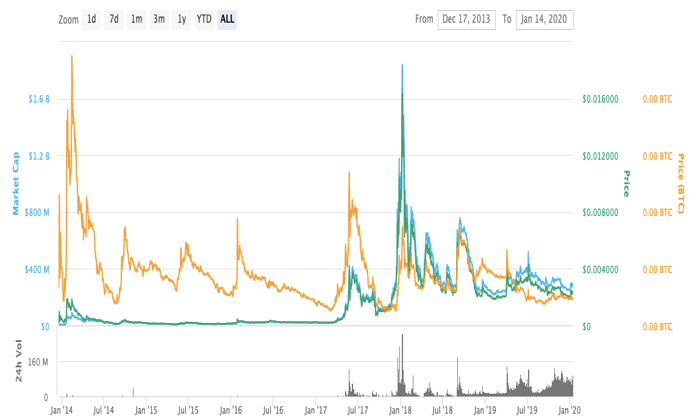
The recent Bitcoin price crash has sent shockwaves through the crypto community as it plummeted from its previous highs exceeding $70,000. Factors contributing to this drastic decline include a notable Tether Bitcoin sell-off, which first raised alarms among investors and traders alike. As analysts scrutinize the crypto market outlook, concerns regarding ongoing Bitcoin ETF net outflows add further weight to the BTC price decline narrative. With a declining sentiment surrounding Bitcoin, speculations about price predictions are becoming increasingly dire. As crypto expert Nobler highlights the precarious situation, many are left questioning the stability of Bitcoin in the coming weeks.
Recent developments point to a troubling trend in the cryptocurrency landscape, particularly with the notable downturn in Bitcoin prices. This slump has been largely attributed to significant sell-offs by major players, particularly Tether’s liquidation of its Bitcoin reserves. As market participants grapple with these shifts, the crypto market is beginning to exhibit signs of uncertainty, making Bitcoin price forecasts all the more crucial. Additionally, net outflows from Bitcoin ETFs have further compounded the challenges faced by BTC, intensifying fears of a continued price downturn. As analysts and investors navigate this turbulent environment, understanding the underlying factors driving these changes is essential for making informed decisions.
Understanding the Bitcoin Price Crash
The recent Bitcoin price crash has sent shockwaves through the cryptocurrency market, marking a dramatic descent from the psychologically significant $70,000 threshold. Multiple factors have converged to fuel this BTC price decline, notably the sell-off by Tether, the issuer of USDT. As they liquidated a portion of their Bitcoin holdings, market watchers sensed increased volatility and uncertainty. This move was unprecedented as it marked the first direct liquidation from their BTC reserve wallet, thus stoking fears of further market destabilization.
In addition to Tether’s actions, on-chain data showing substantial transfers from influential entities such as the defunct Mt. Gox exchange—disbursing over 10,422 BTC—has further exacerbated concerns surrounding the crypto market outlook. The cumulative effect of these sell-offs has not only contributed to the prevailing Bitcoin price crash but also generated doubts about the sustainability of current values in a fluctuating market.
Tether’s Impact on Bitcoin Price Prediction
The recent Tether Bitcoin sell-off has put considerable pressure on Bitcoin’s overall market performance, causing analysts to reevaluate their Bitcoin price predictions. As Tether shifted 204 BTC to Bitfinex, the implications echoed throughout the crypto landscape. The aftermath of this strategic liquidating move highlights the interconnectedness of stablecoin assets with Bitcoin’s price dynamics. Should Tether’s trend continue, more volatility and potential declines in BTC’s value could ensue, shaping projections for the near future.
Moreover, as the influence of stablecoins grows, investors need to stay informed about the correlation between Tether’s holdings and Bitcoin’s market movements. In the upcoming weeks, understanding the pattern of Tether’s investments could be key in making sound Bitcoin price predictions, especially in light of current bearish trends.
Market Reactions to Bitcoin ETF Net Outflows
The occurrence of Bitcoin ETF net outflows has played a pivotal role in the current bearish sentiment surrounding Bitcoin. Over the past fortnight, these funds saw an astonishing $733 million in total net outflows, contributing to the ongoing BTC price decline. Investors, observing the trend, are forced to question their faith in Bitcoin’s ability to rebound in the near term. The continued liquidation from these investment vehicles has created a wave of hesitancy, as potential buyers weigh the risks of entering a seemingly unstable market.
Understanding the dynamics of Bitcoin ETFs and their effect on overall market liquidity is crucial for forecasting future trends. With sell-offs like these significantly impacting BTC’s price, the outlook for investors can seem bleak. The focus now lies on whether these outflows signal a trend that could deter a potential price recovery.
Consequences of Macro Economic Factors on Bitcoin
The macroeconomic landscape has proven detrimental to Bitcoin’s recent performance, particularly due to geopolitical tensions such as the U.S.-Iran conflict. Such global uncertainties often lead to decreased investor confidence in alternative assets like cryptocurrencies, as they typically thrive in stable economic conditions. As markets adapt to these uncertainties, Bitcoin’s liquidity has been increasingly squeezed, affecting its capacity to recover prices.
Additionally, with major IPOs on the horizon, like Elon Musk’s SpaceX, investors are apprehensive about allocating capital to Bitcoin, fearing that traditional assets may provide a safer haven amid tense global situations. This compounded pressure may fuel further decline in BTC values, making it paramount for investors to consider macroeconomic indicators when evaluating Bitcoin’s future.
Future Predictions: What Lies Ahead for BTC
As we look towards the future of Bitcoin, insights from analysts such as Chiefy suggest that immediate relief may precede a deeper downturn. The indication of a false rally presents traders with a unique dilemma, illustrating how tricky and unpredictable the market can become. Predictions suggest that Bitcoin could plummet to the $60,000 range, mirroring its transaction behavior from prior months. This potential shift underscores the need for traders to remain vigilant and adapt their strategies rapidly.
Furthermore, the weak structural setup currently facing Bitcoin in this bearish cycle heightens the stakes for investors. The volatility we’ve observed calls for thorough technical analysis and an understanding of broader market sentiments. It is this very complexity that will likely shape Bitcoin’s trajectory over the upcoming weeks and months.
Analyzing the Long-term Implications of Recent Trends
The recent price crash and its contributing factors, including Tether’s sell-offs and ETF outflows, highlight the evolving nature of the crypto market. Investors and stakeholders need to prepare for a landscape that is highly sensitive to external factors, shaping both market sentiment and Bitcoin’s valuation. The long-term implications could sway central banks and regulatory bodies to reconsider their stance on cryptocurrency and its integrations into mainstream finance.
Amidst the ongoing fluctuations, continuous monitoring of these trends will be crucial for anyone looking to navigate the complex world of cryptocurrencies. Tomorrow’s decisions could hinge on today’s outcomes, especially given that the volatility of Bitcoin raises the stakes for all market participants.
Investors’ Strategies in Response to Bitcoin Price Instability
In light of the recent Bitcoin price instability, many investors are rethinking their strategies. The crash prompts a critical reassessment of portfolio allocations and risk management. With BTC facing downward pressure from Tether’s actions and external economic factors, a more cautious approach may be necessary for participants to safeguard their investments.
Some investors might explore dollar-cost averaging to mitigate risks, gradually building their positions in BTC over time. This strategy allows for more controlled entry points, providing a buffer against sudden price shocks. However, as the market remains unpredictable, vigilance and adaptability will be paramount.
The Psychological Aspects of Cryptocurrency Trading
The psychological elements at play in cryptocurrency trading can greatly influence decision-making, especially during significant downturns like the current Bitcoin price crash. Fear and panic often lead to precipitous selling, compounding losses. Understanding the mental frameworks involved in trading can help investors better navigate the turbulent waters of the crypto market.
As emotions run high, it’s crucial for traders to implement disciplined approaches to investing. By focusing on data and following established trading strategies, one can counter the negative psychological impacts precipitated by price fluctuations. In doing so, traders might find their footing during tumultuous market conditions.
Diverse Factors Contributing to Bitcoin Price Dynamics
The dynamics of Bitcoin’s pricing are shaped by a myriad of factors, ranging from speculative trading activities to macroeconomic indicators. The interplay of these elements dictates the overall health of the crypto market, as seen in the current scenario marked by a steep price dip. Tether’s sell-offs, regulatory actions, and broader market conditions are all intertwined in creating a complex investment environment.
While Bitcoin’s innovative technology and potential for growth remain appealing, its pricing is perpetually influenced by external market perceptions. To accurately anticipate future movements, analysts and traders alike must consider a multi-faceted approach that encompasses both technical analysis and an understanding of wider market forces.
Assessing the Market’s Reaction to Bitcoin Price Trends
As Bitcoin continues to experience volatile swings, the market’s reaction has been a subject of intense scrutiny. Traders and investors now communicate their sentiments primarily through social media and forums, where they actively debate and analyze Bitcoin’s short-term trends. This societal aspect significantly influences market movements, as collective sentiment can culminate in widespread buying or selling.
Market reactions to price trends serve as a barometer for investor confidence, especially evident during significant price fluctuations. Consequently, leading analysts emphasize the necessity for continuous engagement with real-time market sentiment to better inform trading decisions, and enhance understanding of the ongoing Bitcoin price landscape.
Frequently Asked Questions
What caused the recent Bitcoin price crash?
The recent Bitcoin price crash was primarily influenced by Tether liquidating some of its BTC holdings, which raised concerns about a potential sell-off. Additionally, large net outflows from Bitcoin ETFs further contributed to the decline, alongside significant transfers from notable entities like Mt. Gox.
Are there predictions for further Bitcoin price declines?
Yes, analysts have predicted that after the recent Bitcoin price crash, BTC could decline further and possibly reach as low as $60,000. Crypto analyst Chiefy indicated that a temporary relief bounce might occur before an even more significant drop.
How is the Bitcoin ETF activity affecting the market?
The Bitcoin ETF activity has negatively impacted the market, experiencing a streak of net outflows totaling over $733 million recently. This continued selling pressure from ETFs has been a driving factor behind the Bitcoin price crash.
What impact does the Tether Bitcoin sell-off have on prices?
The Tether Bitcoin sell-off has directly influenced prices by increasing selling pressure in the market. Tether’s liquidation of its Bitcoin holdings has raised alarms among investors and contributed to the significant Bitcoin price crash.
How does macroeconomic news influence Bitcoin price?
Macroeconomic factors, such as geopolitical tensions and upcoming IPOs, can significantly impact Bitcoin prices. The U.S.-Iran conflict, for example, has created uncertainty, which affects market liquidity and investor sentiment, contributing to the recent Bitcoin price decline.
What does the current Bitcoin price prediction indicate?
Current Bitcoin price predictions suggest volatility ahead, with potential for a relief bounce followed by deeper declines. Analysts warn that structural weaknesses indicate BTC may dip further to around $60,000, especially after the recent Bitcoin price crash.
What data supports the observation of the Bitcoin price crash?
On-chain data shows significant movements in BTC, including transfers from Tether and the defunct Mt. Gox exchange, which highlight increasing sell pressure. This data aligns with the observed Bitcoin price crash, where BTC dropped substantially from previous highs.
What is the outlook for Bitcoin following the recent price crash?
While some analysts predict a temporary recovery or relief bounce, the overall outlook for Bitcoin remains bearish due to selling pressures from ETFs and significant positions liquidating, leading to expectations of further price declines.
| Key Points |
|---|
| The Bitcoin price has dropped significantly from over $70,000, contributing to concerns in the crypto market. |
| Tether’s liquidation of BTC holdings is a primary factor leading to the crash, marking the first time Tether sold from their reserve wallet. |
| Over the past 12 days, Bitcoin ETFs have experienced notable net outflows totaling $733 million, amplifying sell-off pressure. |
| The sale of 32 BTC by Michael Saylor’s strategy raised concerns and was the first sale since 2022. |
| Macro factors, such as geopolitical tensions and liquidity issues from upcoming IPOs, are also impacting Bitcoin’s price. |
| Analysts predict a temporary relief bounce followed by a potential drop to $60,000, indicating a weak market setup. |
Summary
The Bitcoin price crash has raised significant concerns among investors and analysts alike, as it has dropped from above $70,000 to around $66,700. Factors such as Tether’s liquidation of BTC holdings, notable sell-offs from ETFs, and macroeconomic pressures are at play. Looking forward, analysts forecast a relief bounce in the short term, but further declines could potentially see Bitcoin prices plummet to around $60,000. Understanding these dynamics is crucial for anyone involved in the cryptocurrency market during this tumultuous period.
This week, the world witnessed a startling Bitcoin price crash as the cryptocurrency plunged from its previous heights above the psychological mark of $70,000. In an analysis by crypto expert Nobler, the underlying reasons for this BTC price decline have been attributed to significant ether movements, particularly involving Tether’s liquidation of Bitcoin holdings. Compounding the situation, several Bitcoin ETFs faced considerable net outflows, which has contributed to a grim crypto market outlook. With analysts revising their Bitcoin price predictions in light of recent events, many are left wondering about the implications of the Tether Bitcoin sell-off on investor confidence. As market participants brace themselves for the ongoing volatility, this Bitcoin price crash serves as a stark reminder of the unpredictable nature of the crypto market.
The sudden downturn in Bitcoin’s value has sparked widespread concern among investors and analysts alike, prompting a reevaluation of the broader cryptocurrency landscape. With terms like BTC depreciation and Bitcoin market turmoil becoming common in discussions, the narrative surrounding digital currencies is evolving rapidly. Factors such as the recent Tether liquidation and ongoing ETF sell-offs are contributing to the overall decline, raising questions about the sustainability of Bitcoin’s previous gains. As we delve deeper into the ramifications of this market volatility, understanding the possible trajectories for Bitcoin’s future remains essential for stakeholders. It seems evident that, regardless of the terminology used, the implications of this Bitcoin price crash will be felt across the entire crypto ecosystem.
Discover the power of Autowp, the ultimate AI content generator and AI content creator plugin for WordPress. With its innovative technology, Autowp effortlessly creates high-quality, engaging content tailored to your audience, helping you save time and boost your website’s SEO. Whether you’re a blogger, business owner, or digital marketer, Autowp is designed to enhance your content strategy like never before. Don’t miss out on effortless content generation that drives traffic and elevates your brand. To remove this promotional paragraph, upgrade to Autowp Premium membership.